Airtel 5G SA Approaching Roll out for Mobile users?

  • Thread starter Thread starter Kyle Crane
  • Start date Start date
  • Replies Replies 81
  • Views Views 2,248
yep all that and it’s hard to do so with two SIM cards active. As both would drain my battery either way

Since I use
Primary Vi sim as : “Mumbai sim”
Secondary Jio sim as : “National Roaming”

To properly test out benefits of 5G SA over 5G NSA ,i would need to port my primary Vi sim to Jio ,which yk has given me a lot of problems before
like : i still remember how horrible it when i ported to Airtel 5G, since they have a very poor network where i live and i was desperate to get out of Airtel. So that is something making me question my porting choices lol

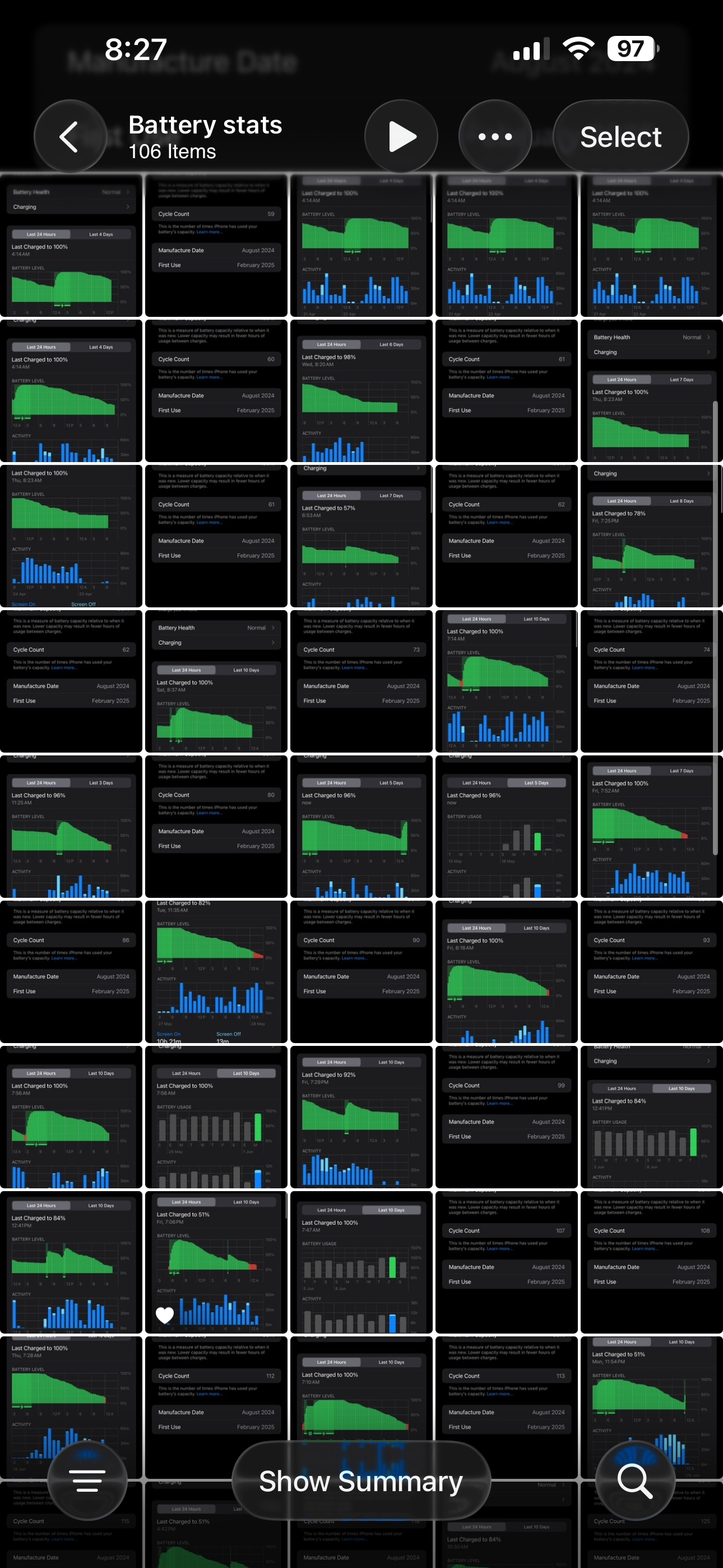
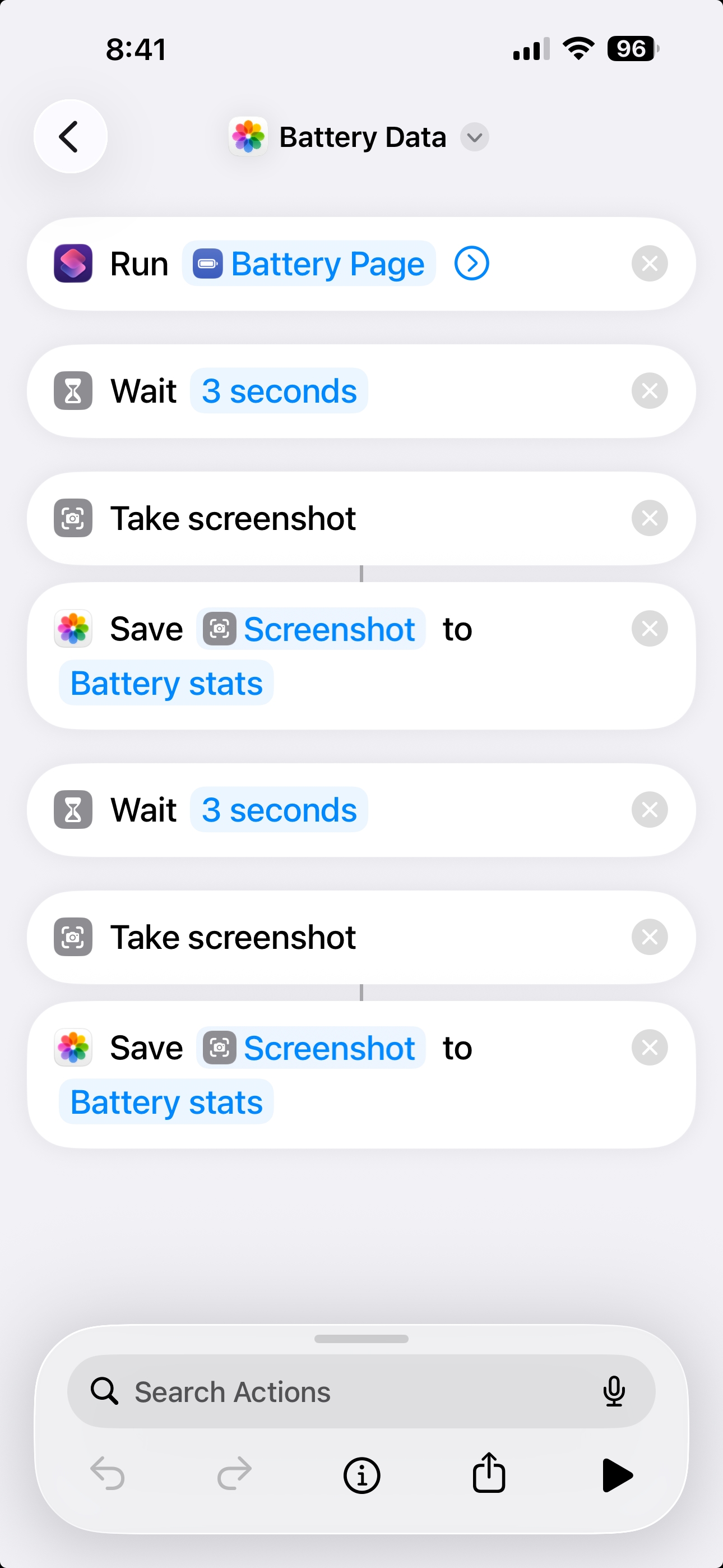
another thing is ,for the last 10 months or so ,ive been recording battery data (inconsistently)
and those screenshots do point out a slight dip in battery life when i stopped using data from my Jio sim and started using Vi 5G and 4G

now is this really a benefit of using 5G SA over 5G NSA \

lets see if i can figure out this

1a6d2e80a203.jpg
811767534d47.jpg
 
Question: sir, could you explain the actual benefits of 5G SA over NSA? does it really use less power on customer handset as compared to NSA?

Parag Kar on YouTube:
Great question.

5G NSA is essentially LTE core + 5G radio. It is primarily used for thickening the data pipe.
It does not deliver true 5G capabilities like ultra-low latency, network slicing at the UE level, or service-based architecture, because the control plane and frame structure are still LTE-anchored with backward compatibility.

As a result, NSA offers limited real-world benefits beyond peak speed bursts. In practice, speeds cannot be leveraged everywhere because low-frequency bands (which provide indoor penetration and coverage) remain on 4G. This makes 5G coverage non-ubiquitous, leading to frequent 4G–5G switching, which actually hurts handset battery life rather than improving it.

Now coming to 5G SA.
SA can deliver better power efficiency and real 5G features, but only if it is built on a strong foundation of substantial low-frequency spectrum. Deploying SA with just 10 MHz in 700 MHz is neither here nor there. It is insufficient to support meaningful UE-level slicing, as slicing without adequate spectrum would choke the best-effort pipe, cause congestion, and raise net-neutrality and regulatory concerns.

Yes, 5G SA can improve battery life, provided the operator manages band and network switching intelligently, and carrier aggregation (CA) can further help. But without adequate spectrum depth and coverage, SA alone is not a magic switch.

Hope this clarifies the practical difference between 5G NSA and true 5G SA.
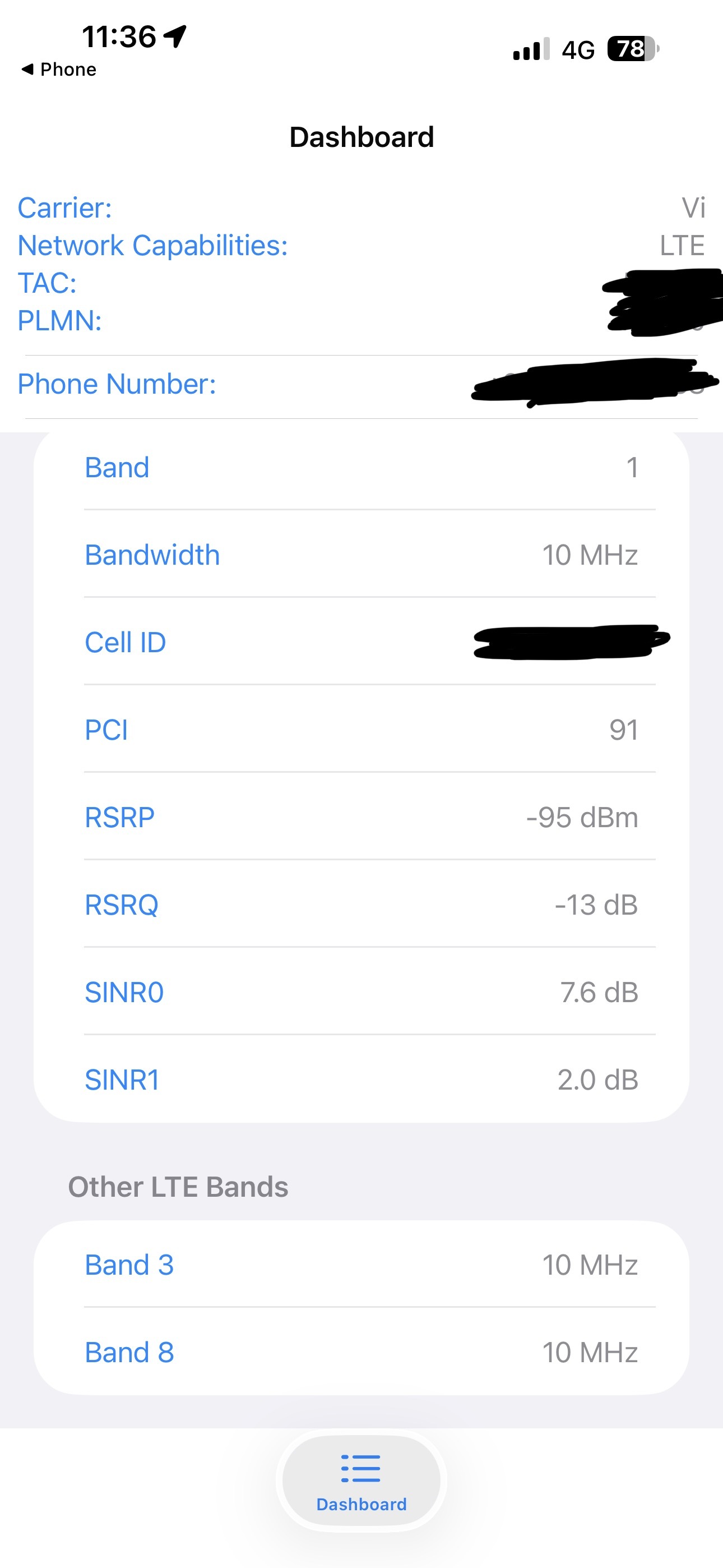
 
In other countries, I have personally seen massive investment in small, micro, and Nano cells. And once SA was rolled out, I have personally noticed improved battery life and excellent performance of the devices itself. There is significant lower latency in app switching and multitasking, probably because the network latency is noticeably improved. I have even seen the devices preferring to swith from wifi to data (probably because the wifi access points are crowded or far away). Now this is all anecdotal evidence, so take it with a pinch of salt.
 
Back